Kitchen Cooking Utensil Measuring Cup
First Impressions: A Design That Speaks Kitchen
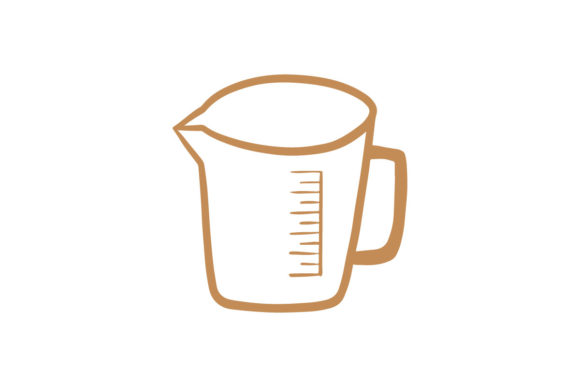
From the moment I opened the ZIP file containing the Kitchen Cooking Utensil Measuring Cup icon vector illustration, I was struck by its clean, modern aesthetic. The design feels like it belongs in a bakery or kitchen studio—simple, functional, and instantly recognizable. The shape is well-proportioned, with subtle curves that suggest usability without being overly ornate. It’s the kind of design that doesn’t demand attention but still stands out when placed on a fabric or garment.
The layout is straightforward, with a clear focal point that makes it easy to stitch. The level of detail is just right for an embroidery project—enough to add visual interest without becoming too complex for most machines. This makes it ideal for a variety of applications, from custom apparel to small shop merchandise.
Real-World Use: Where Does This Design Fit Best?
I imagine using the Kitchen Cooking Utensil Measuring Cup on a custom embroidered tote bag for a local bakery. The design would look great on a cotton canvas tote, adding a touch of personality while maintaining a professional appearance. It could also work well on a sweatshirt for a home goods store or as part of a baby onesie set, where simplicity and clarity are key.
This design isn’t suited for every project, though. On a dark fabric, the details might get lost unless you use a contrasting thread color. And on a stretchy or thin fabric, the stitching could pucker or distort if not properly stabilized. I’d recommend testing it on a scrap piece first to see how it behaves before committing to a larger project.
Stitching Performance: What to Expect
As an embroidery designer, I always pay close attention to how a machine embroidery design performs. The Kitchen Cooking Utensil Measuring Cup has a balanced stitch density that should work well on most standard hoop sizes. However, if you’re working with a smaller hoop, you may need to adjust the design or break it into sections to ensure proper coverage and clarity.
For applique designs, this could be a good candidate, especially if you’re looking for a simple, flat design that doesn’t require too much layering. But if you plan to use it as a satin stitch or fill stitch design, be mindful of the corners and edges—they can sometimes appear jagged if not carefully stitched.
Where to Be Cautious: Potential Pitfalls
One thing to keep in mind is that the Kitchen Cooking Utensil Measuring Cup may not be the best choice for projects involving textured fabrics. If you're planning to embroider on a denim jacket or a knitted sweater, the design might not sit as smoothly as it would on a smooth cotton fabric. Similarly, on a very thin or stretchy material, the stitches could pull or bunch up if not properly supported with a stabilizer.
If you're considering using this design on a cap or a curved surface, you’ll want to test it carefully. Embroidery on caps often requires special techniques, and some designs don’t translate well to rounded surfaces. The same goes for items that will be washed frequently—make sure the design is durable enough to withstand multiple cycles without fading or fraying.
Visual Appeal and Customer Perception
When it comes to customer engagement, the Kitchen Cooking Utensil Measuring Cup has a lot of potential. It’s a design that feels familiar and approachable, which is perfect for handmade products and personalized gifts. Customers are more likely to connect with something that looks like it belongs in their kitchen or baking space.
For small business owners and Etsy sellers, this design could be a valuable addition to your product lineup. It’s versatile enough to work on a range of items, and its clean style makes it easy to incorporate into different branding themes. Whether you're selling embroidered patches, aprons, or tea towels, this design adds a touch of professionalism and practicality.
Design Notes for Embroidery Professionals
Before finalizing any project, I always recommend testing the Kitchen Cooking Utensil Measuring Cup on a scrap fabric. This helps you understand how the design looks in real life and whether it meets your expectations. Pay attention to the thread colors—some designs look better in certain hues than others, and a mismatch can make the finished product look unbalanced.
Also, check the stitch density. If the design is too dense, it might cause puckering on delicate fabrics. If it's too sparse, the details might not show up clearly. Make sure the hoop size you choose is appropriate for the design—using a hoop that’s too large or too small can affect the overall outcome.
Finally, always confirm the licensing terms before using the design for commercial purposes. Even though the Kitchen Cooking Utensil Measuring Cup seems like a safe bet, it’s important to know exactly what you’re allowed to do with it. Some files come with restrictions that could limit your ability to sell finished products or digital downloads.
Final Thoughts: A Useful Addition to Your Design Library
The Kitchen Cooking Utensil Measuring Cup is a solid choice for anyone looking to add a functional, stylish element to their embroidery projects. It’s well-suited for a wide range of applications, from custom apparel to small shop merchandise. With careful consideration of fabric type, hoop size, and stitch density, it can become a reliable part of your design assets.
Whether you're an experienced embroidery designer or just starting out, this design offers a good balance of simplicity and appeal. It’s a great example of how a well-crafted illustration can translate into a successful finished product—especially when used thoughtfully and with attention to detail.