Coffee Plant Cup Glass with Banner Logo Graphics
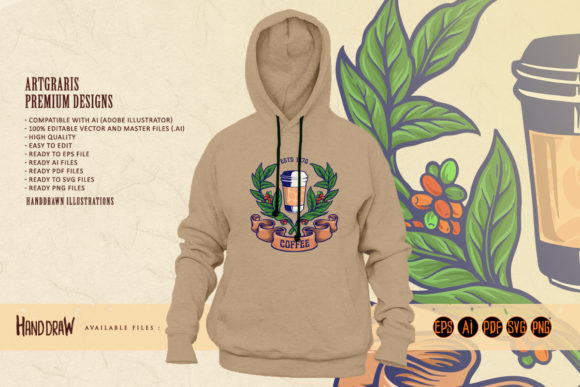
The Coffee Plant Cup Glass with Banner Logo is a versatile graphic design asset that brings a warm, inviting visual tone to any editorial or web design project. Its vintage aesthetic and clean lines make it ideal for lifestyle, food, and wellness content. This vector illustration offers a polished look that can elevate blog graphics, social media visuals, and digital guides with ease.
First Impressions: A Visual Mood for Lifestyle Content
From the first glance, the Coffee Plant Cup Glass with Banner Logo evokes a cozy, approachable vibe. The design feels like it belongs in a café or a home kitchen, making it perfect for content niches around coffee culture, healthy living, and daily routines. Its soft color palette and handcrafted details add a touch of authenticity that resonates with readers looking for relatable, real-world inspiration.
This graphic design asset works well in editorial design where visual storytelling matters. It can be used as a featured image, a Pinterest pin, or a header for articles about coffee brewing, morning rituals, or sustainable living. Its style supports content that aims to feel personal and engaging rather than overly formal or corporate.
Real Publishing Use Cases for Coffee Plant Cup Glass with Banner Logo
Bloggers and content creators can integrate the Coffee Plant Cup Glass with Banner Logo into multiple aspects of their publishing workflow. As a blog graphic, it can serve as a hero image that grabs attention and sets the tone for an article. For Pinterest, it can act as a high-quality pin that drives traffic to a website or digital guide.
- Featured images for blog posts on coffee culture or lifestyle topics
- Pinterest graphics for recipes, DIY projects, or self-care routines
- Article headers that reinforce brand identity and visual consistency
- Website banners that reflect a brand’s personality and values
- Editorial layouts for newsletters or downloadable resources
- Lead magnets that offer value while maintaining a cohesive design system
- Canva templates for quick social media graphics or printables
Boosting Content Performance with Coffee Plant Cup Glass with Banner Logo
Using the Coffee Plant Cup Glass with Banner Logo can significantly enhance the performance of content marketing efforts. Its strong visual hierarchy helps readers quickly understand the purpose of a page or post, improving click-through rates and engagement. When paired with compelling headlines, this graphic design asset creates a more professional-looking content page that builds reader trust.
For affiliate marketing, the Coffee Plant Cup Glass with Banner Logo can serve as a subtle yet effective visual cue that aligns with the brand’s messaging. In digital guides or worksheets, it adds a decorative touch that makes the content more appealing without overwhelming the reader. As a printable design, it can be used in downloadable resources that support a brand’s educational or promotional goals.
Where Coffee Plant Cup Glass with Banner Logo Shines
This graphic design asset excels in scenarios where a friendly, approachable aesthetic is needed. It works well as a hero image that draws attention to key content, a thumbnail that stands out on search results or social feeds, or a Pinterest pin that encourages clicks and shares.
It also enhances editorial accents in blog posts, adds visual interest to content upgrades, and serves as a consistent element across digital products like eBooks, worksheets, and media kits. In newsletter headers or social media previews, it reinforces brand identity and helps maintain a cohesive visual language.
When to Use Coffee Plant Cup Glass with Banner Logo Carefully
While the Coffee Plant Cup Glass with Banner Logo is visually appealing, it may not be suitable for all contexts. On small mobile thumbnails, the intricate details might get lost, reducing its effectiveness. In text-heavy blog images, it could distract from the main message rather than support it.
For serious professional niches or corporate content, the vintage style may not align with the desired tone. Similarly, in busy layouts or low-contrast backgrounds, the design might not stand out as intended. It’s important to test how the graphic design asset performs in different environments before finalizing its use.
Practical Publisher Notes for Using Coffee Plant Cup Glass with Banner Logo
Before integrating the Coffee Plant Cup Glass with Banner Logo into your content, consider the following practical tips:
- Test it on both desktop and mobile screens to ensure visibility and clarity
- Check how it looks as a thumbnail in search results or social media feeds
- Preview it inside a real blog layout to assess how it interacts with other elements
- Test it with headline text to see if the visual hierarchy remains clear
- Review contrast and readability against different background colors
- Try it in black and white to understand its versatility
- Place it beside various font styles to see how it complements different typography choices
- Check file size for web performance and compress images as needed
- Confirm commercial licensing before using it on monetized websites or affiliate pages
By taking these steps, publishers can ensure that the Coffee Plant Cup Glass with Banner Logo enhances their content without compromising quality or user experience.
Final Thoughts: A Creative Asset for Polished Content
The Coffee Plant Cup Glass with Banner Logo is a valuable addition to any designer’s or publisher’s toolkit. Its vintage charm and clean design make it ideal for lifestyle, food, and wellness content, while its versatility allows it to fit into a wide range of publishing workflows. Whether used as a blog graphic, a social media visual, or a digital guide element, this graphic design asset can help elevate the overall look and feel of a website or content project.
For small business branding, digital downloads, or creative marketplaces, the Coffee Plant Cup Glass with Banner Logo offers a professional yet approachable visual that supports content marketing goals. With proper testing and implementation, it can become a key component of a brand’s visual identity and editorial strategy.